

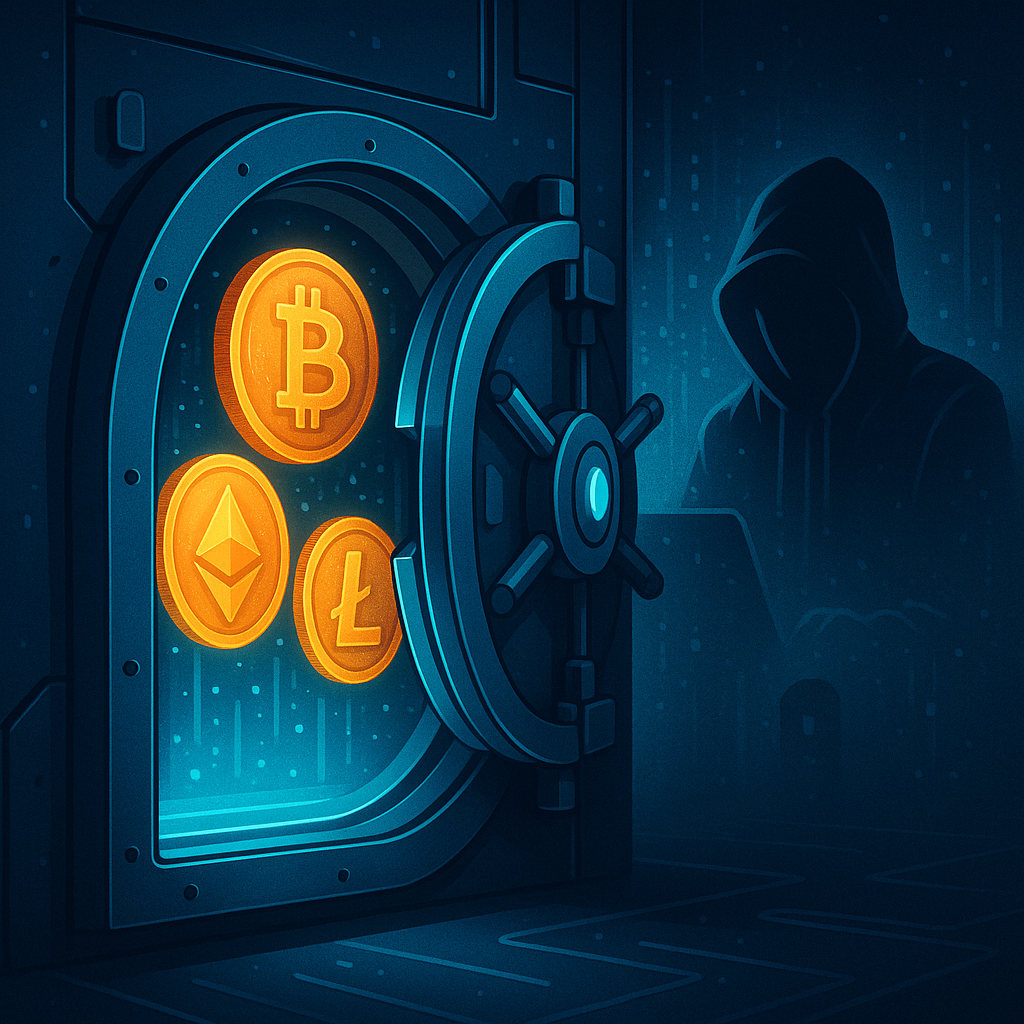
Crypto hacks are on the rise — here’s how to protect your digital wealth before you become the next headline.
Why Crypto Security Matters More Than Ever
With high-profile security breaches like the $30M Upbit hack, the message is clear: if you hold or trade crypto, your assets are a target. Even as major exchanges scramble to move funds to cold storage and regulators warm up to crypto trading, your wallet’s safety is still your responsibility.
In this guide, we’ll cover essential tools and best practices for securing your crypto holdings and protecting your privacy — whether you’re an investor, miner, or DeFi enthusiast.
1. Secure Your Wallets: Hot vs Cold Storage
Hot wallets (connected to the internet) are convenient but vulnerable. Cold wallets (offline) offer much stronger protection against online threats.
- Use cold storage for long-term holdings. Consider hardware wallets like Ledger or Trezor.
- For mobile or browser-based hot wallets, opt for trusted apps like MetaMask or Trust Wallet — and enable biometric login where available.
Never store large sums on an exchange — even the best ones get hacked.
2. Use a Password Manager
Weak or reused passwords are a hacker’s dream. Use a password manager to create and store unique passwords for all your crypto accounts.
- Bitwarden – Open-source and trusted by security pros.
- 1Password – Excellent for team and family sharing.
Pro tip: Activate two-factor authentication (2FA) and store recovery codes offline!
3. VPNs & Privacy Protection
Every time you connect to a crypto service, your IP address is exposed. This can link transactions to your identity.
- Use a no-log VPN like Mullvad or ExpressVPN to hide your location.
- Clear cookies and use private browsers like Brave or Tor.
Privacy = security. Don’t give attackers any more data than necessary.
4. Beware of Phishing & Fake Apps
Phishing attacks are the #1 way criminals steal crypto. Don’t fall for fake login pages or malicious airdrop links.
- Always check URLs. Bookmark official sites.
- Use browser extensions like MetaMask Phishing Detector.
- Verify mobile apps by developer name and reviews before installing.
Tip: If something sounds too good to be true, it probably is.
5. Miners: Follow Legal & Power-Safe Practices
If you’re a crypto miner, avoid shortcuts. As seen in Tajikistan, using unauthorized electricity can result in criminal charges and jail time.
- Audit your power sources.
- Follow local regulations — or risk shutdowns and fines.
Secure mining isn’t just about hash rate — it’s about compliance too.
6. Keep Your Software Up to Date
Whether it’s your wallet, exchange app, or operating system, outdated software can be riddled with vulnerabilities. Enable auto-updates where possible and routinely check app stores for the latest patches.
Hackers often exploit known bugs — don’t make yourself an easy target.
7. Enable Transaction Alerts
Most wallets and exchanges allow push/email/SMS notifications. Enable them! It’s an early warning system for unauthorized activity.
Even if a hacker gains access, fast alerts can help you freeze accounts or move funds before it’s too late.
8. Legal & Policy Awareness
From US banking regulations to CBDC resistance, staying informed about crypto policy protects your rights and alerts you to risks.
Bookmark trustworthy news sources and regulatory websites like:
Call to Action #1: Fortify Your Devices Now
Don’t wait for a breach to react. Download a trusted password manager, get a hardware wallet, and start using a VPN today to lock down your digital footprint.
Call to Action #2: Share These Tips
You’ve taken the first step. Now help others. Share this article with friends or colleagues in crypto — and be the reason they don’t lose their assets to a preventable attack.
Final Thoughts
As mainstream institutions embrace crypto — and cybercriminals try to exploit the lag — security is no longer optional. Whether you’re staking, trading, mining, or HODLing, protect your future with smart tools and practices.
In a decentralized world, responsibility lies with you.