
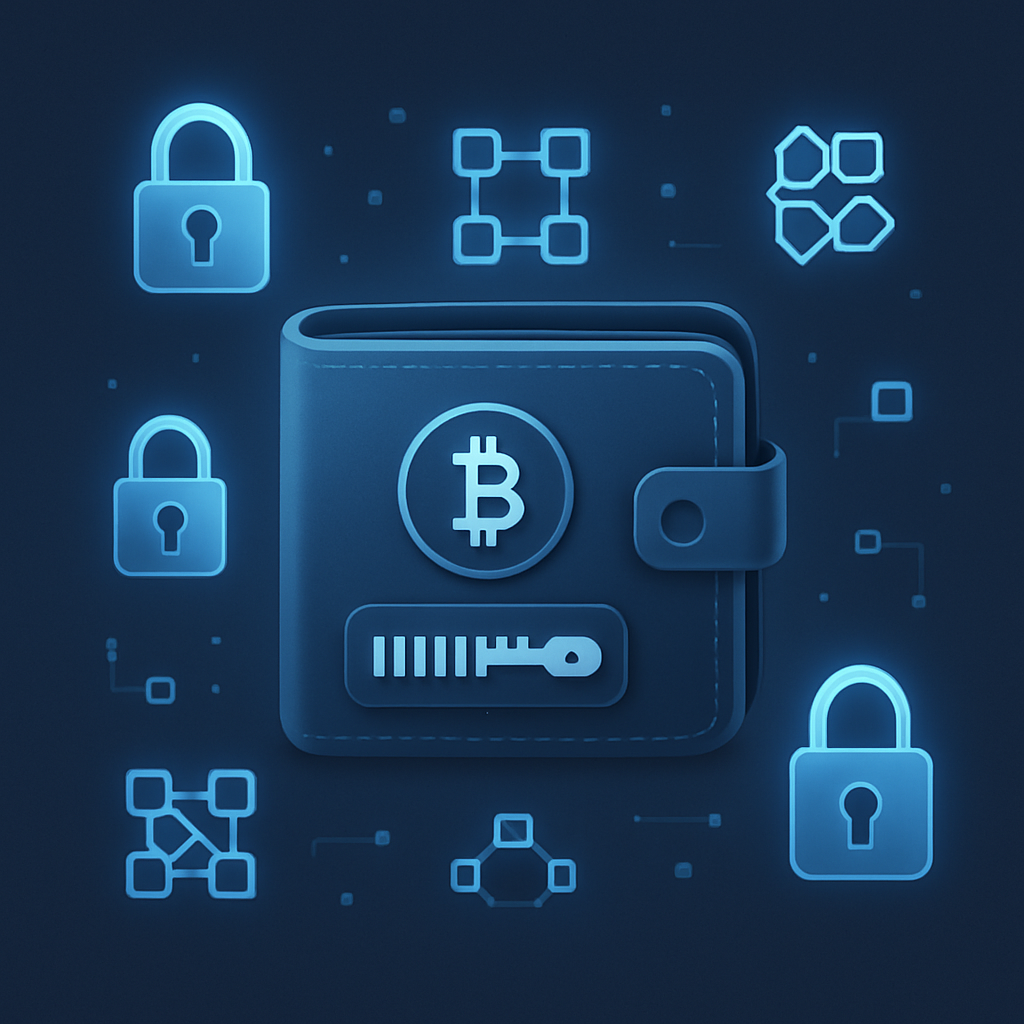

Crypto wallets are evolving fast—but so are scams, hacks, and phishing traps. Here’s how to stay one step ahead and protect your digital assets.
Why Wallet Security Matters More Than Ever
In 2026, crypto adoption is booming. Big Tech giants like Google and Apple are launching integrated wallets, while the industry braces for a wave of new users. But with opportunity comes risk.
Recent SEC filings exposed how scammers used fake dashboards and ‘exclusive’ Telegram and WhatsApp groups to steal millions by locking users out of their wallets unless they paid fake ‘taxes’. The message is clear: your crypto is only as safe as your wallet and habits.
Types of Crypto Wallets Compared
Before diving into security strategies, let’s review the main wallet categories:
- Hot Wallets: Connected to the internet (e.g., MetaMask, Trust Wallet). Convenient but higher risk of hacking.
- Cold Wallets: Offline storage (e.g., Ledger, Trezor). Best for long-term safety.
- Custodial Wallets: Wallets managed by exchanges or third parties (e.g., Binance, Coinbase). Easy to use, but you don’t control the private keys.
- Smartphone Wallets: Mobile apps with decent UX (e.g., Rainbow, Argent). Good for daily use, but manage risk carefully.
Best Crypto Wallets in 2026 (With Links)
1. Ledger Nano X (Cold Wallet)
Why We Like It: Bluetooth-compatible, secure chip, supports 100+ coins.
Security Tip: Always buy directly from the official website to avoid tampered devices.
2. Trezor Model T (Cold Wallet)
Touchscreen interface, open-source firmware, supports Shamir backup.
3. MetaMask (Hot Wallet)
Browser extension and mobile app. Popular but targeted by phishing scams.
Security Tip: Use MetaMask with a hardware wallet for safer DeFi interaction.
4. Trust Wallet (Mobile Wallet)
Supports NFTs, staking, and 70+ blockchains. Easy to use.
5. Argent (Smart Contract Wallet)
Built for Ethereum with social recovery features. Ideal for non-tech users.
How to Secure Your Private Keys (Step-by-Step)
Your private key or seed phrase is the master key to your crypto. Lose it or leak it, and you’re done. Here’s how to protect it:
- Generate your wallet offline using tools like Ian Coleman’s BIP39 Tool (use with extreme caution, ideally on an air-gapped device).
- Store your seed phrase physically and never digitally. Use:
- Steel backup devices like CryptoSteel
- Fireproof safes or bank deposit boxes
- Use Shamir Backup (available in Trezor Model T) to split your seed into multiple parts requiring a threshold to restore.
- NEVER share your seed with anyone. No legit service will ask for it—not even wallet support.
Phishing, Fake Wallets & Other Growing Threats
Social engineering attacks are getting more sophisticated. Some examples:
- Scam airdrops that trick MetaMask into signing malicious transactions
- Fake wallet apps on app stores (always verify using links from official websites)
- Imposter support agents asking for seed phrases
Use browser extensions like CryptoScamDB or Revoke.cash to check for known threat addresses and revoke unwanted token approvals.
Pro Tips to Stay Safe in 2026
- Use multi-sig wallets like Safe (formerly Gnosis) for team or high-value treasury funds
- Enable passphrase protection on hardware wallets — an extra 25th word that acts like 2FA
- Create burner wallets for interacting with new dApps or minting NFTs
CTA #1: Want Step-by-Step Setup Guides?
👉 Check our free wallet setup tutorials here. Learn how to back up, sync, and protect your crypto—whether you’re a beginner or pro.
Emerging Trends That Will Impact Wallet Security
According to Dragonfly’s Haseeb Qureshi, we’re on the brink of mass wallet adoption via Big Tech. While convenient, these wallets may come with trade-offs:
- Closed-source code
- Custodial key storage or recovery
- Potential compliance backdoors
Always ask: “Do I truly control my keys?” before trusting any solution.
CTA #2: Subscribe for Weekly Wallet & Phishing Alerts
📬 Join our mailing list for expert wallet reviews, scam alerts, and security tips delivered every Friday.
Final Thoughts
Crypto wallets are your digital fortress. As adoption grows, so do the threats. But with smart tools, good habits, and secure backups, you can keep your assets safe no matter what the market—or scammers—throw at you.
Rule of thumb: If you don’t own your keys, you don’t own your crypto.



0 Comments