
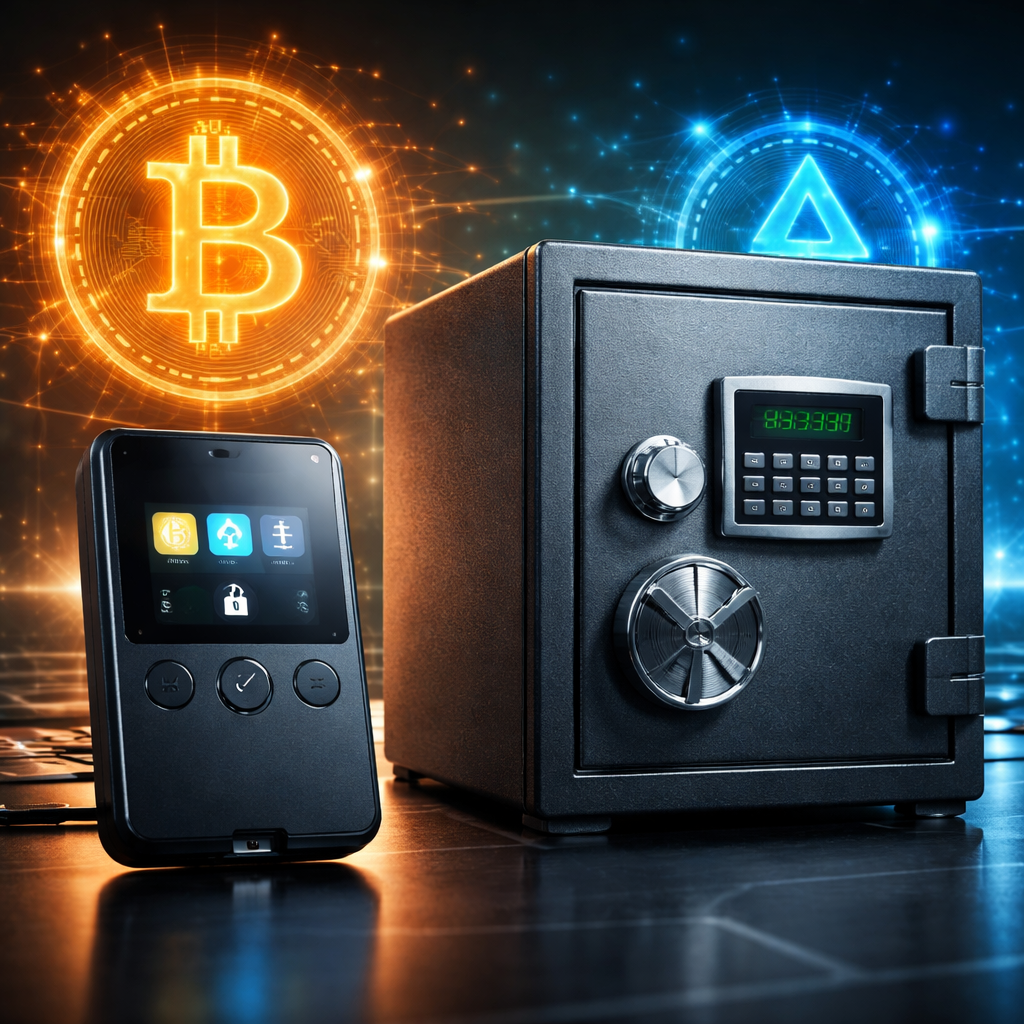

With crypto prices surging and high-stakes trades dominating headlines, strong wallet security is more important than ever. Here’s how to protect your private keys and choose the right wallet in 2026.
Why Wallet Security Matters More Than Ever
With Bitcoin fighting resistance at $90,000 and mega wallets like the one on Hyperliquid holding $649 million in ETH, the stakes in crypto have never been higher. Whether you’re a casual investor or a DeFi power user, your wallet is your first line of defense.
In this guide, we’ll cover:
- Types of wallets and their pros/cons
- Best practices for securing your private keys
- Top wallets for 2026 and how to choose one
- Step-by-step security setups
Types of Crypto Wallets: What’s Best for You?
Crypto wallets come in several forms, each with trade-offs in usability and security.
1. Hardware Wallets (Cold Wallets)
These are physical devices, like USB drives, that store your private keys offline. Examples include:
Pros: Immune to online hacks, ideal for long-term HODLing
Cons: Less convenient for daily transactions
2. Software Wallets (Hot Wallets)
These live on your phone or desktop and are connected to the internet. Top picks:
Pros: Easy access for DeFi, staking, or NFTs
Cons: Greater risk of malware or phishing attacks
3. Custodial Wallets
Held by centralized platforms (like Coinbase or Binance), where the provider manages your keys.
Pros: Simple and user-friendly
Cons: “Not your keys, not your crypto”. Vulnerable to hacks or regulatory freezes
4. Multi-Sig Wallets
These require multiple private keys to approve a transaction. Great for teams or high-value storage.
Tool: Gnosis Safe
How to Protect Your Private Keys
Your private key is the single point of failure. If someone gets it, they own your crypto. Here’s how to protect it.
🔒 Step 1: Never Store Private Keys on Cloud or Email
That means no Google Drive, iCloud, or screenshots. Instead, write them down physically and store in a fireproof safe.
🧠 Step 2: Use a Password Manager (with 2FA)
If you use seed phrases or recovery passwords, store them in an encrypted password manager like Bitwarden or 1Password. Always enable two-factor authentication (2FA).
📱 Step 3: Use Air-Gapped or Hardware Devices
Transactions can be signed offline and broadcasted online, minimizing attack vectors. Consider COLDCARD for advanced setups.
🧩 Step 4: Don’t Reuse Wallet Addresses
For privacy and security, especially with large holdings, use new receiving addresses whenever possible.
Top Wallet Picks for 2026
Based on security, user experience, and features, here are our top wallet picks for different user types:
| Wallet | Type | Best For |
|---|---|---|
| Ledger Nano X | Hardware | Long-term investors |
| MetaMask | Software | DeFi and NFT users |
| XDEFI Wallet | Software | Multi-chain traders |
| Gnosis Safe | Multi-sig | Teams & DAOs |
CTA #1: Ready to Level Up Your Wallet Security?
👉 Get a Ledger Nano X now and protect your crypto with military-grade security.
Common Threats and How to Avoid Them
🔥 Phishing
Never click links from texts, emails, or pop-ups claiming to be your wallet provider. Always verify the domain.
📦 Fake Wallet Apps
Only download wallets from official sites or verified app stores. Check reviews and permissions.
🤖 Malware and Keyloggers
Use antivirus software. For critical transactions, consider using a separate laptop or device with no other apps installed.
CTA #2: Want a Custom Security Setup?
👉 Book a 1-on-1 wallet security consultation and get tailored advice from a crypto security expert.
Bonus: Wallet Backup Checklist
- ✅ Written seed phrase stored offline in multiple physical locations
- ✅ 2FA enabled on all wallet-connected emails and exchanges
- ✅ Password manager secured with hardware key (like YubiKey)
- ✅ Transaction alerts enabled
- ✅ Regular security audits (monthly)
Conclusion: Your Wallet Is Your Vault—Treat It That Way
Whether you’re holding a few sats or millions in ETH, your wallet security can make or break your crypto journey. With regulations tightening (as seen in Thailand’s push for ETF rules) and political shifts impacting market confidence, self-custody isn’t just a choice—it’s a necessity.
Protect your keys. Diversify your storage. Stay secure.
Still unsure which wallet is right for you? Leave a comment below or reach out on Twitter!


0 Comments