
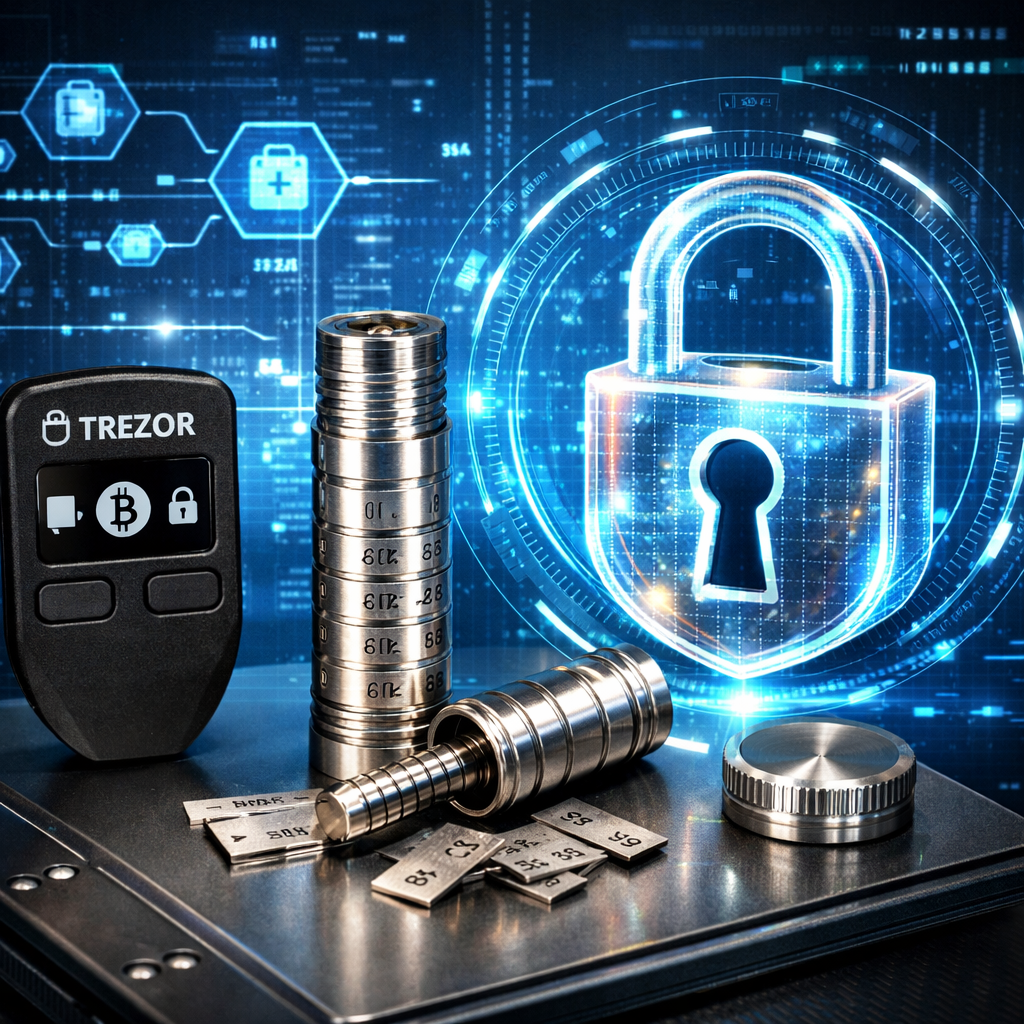

In a world where banks are entering crypto, stablecoins launch with freeze powers, and Bitcoin reacts to macroeconomic stressors, the most valuable thing you can own is **control of your private keys**. This guide shows you how to do it right.
Why Wallet Security Matters More Than Ever
With major institutions like Fidelity launching digital dollars on Ethereum and Ripple pushing corporate crypto adoption, your crypto wallet has become more than just a tool—it’s your personal vault. As centralized actors gain more power and introduce features like token freezing, self-custody will be the only way to retain full control of your digital wealth.
Types of Crypto Wallets: Which One Fits You?
Before diving into protection strategies, let’s quickly review the main wallet types:
- Hot Wallets: Software wallets connected to the internet (e.g. MetaMask, Trust Wallet)
- Cold Wallets: Offline wallets like Trezor or Ledger that store keys offline
- Paper Wallets: Printed QR codes or keys stored physically. Risky but fully offline.
- Multi-signature Wallets: Require multiple approvals to move funds. Often used for teams or large holdings.
Best Crypto Wallets in 2026
Here are the top wallets for different users in 2026, based on security, ease of use, and features:
- Trezor Model T – Best cold wallet for beginners
- Ledger Nano X – Best for mobile and Bluetooth support
- Safe (Gnosis) – Best multi-sig wallet for teams
- MetaMask – Best hot wallet with DeFi integration
Pro Tip: Use a hot wallet for daily transactions, and a cold wallet for long-term storage.
How to Secure Your Wallet Like a Pro
Regardless of wallet type, your security setup should include the following:
- Create a STRONG Passphrase: Use more than 12 random words or generate a BIP39 passphrase.
- Enable 2FA (Two-Factor Authentication): Avoid SMS. Use apps like Authy or Google Authenticator.
- Store Recovery Phrases Safely: Never store your seed phrase online or in cloud storage.
- Use fireproof & waterproof storage like Cryptosteel Capsule
- Consider splitting your phrase using Shamir Secret Sharing
- Run Wallet Updates: Always update your wallet firmware and software to patch vulnerabilities.
- Practice Transaction Hygiene: For every new dApp, use a fresh wallet address through a burner wallet (e.g. WalletConnect with limited funds).
🔥 Must-Do: Backup Your Wallet Securely
You should have at least 2–3 physical backups of your seed phrase:
- One in a safe at home
- One in a bank safety deposit box (optional)
- One with a trusted family member (encrypted or split if needed)
Never send your seed phrase via email or messenger apps.
Watch Out: Social and Digital Threats
New threats in 2026 aren’t just technical—they’re social:
- SIM-Swapping: Criminals gain access to your phone number and reset 2FA-enabled accounts. Solution: Use app-based 2FA and ask your carrier for enhanced protection.
- Fake Wallet Apps: Always download from official sources. Verify URLs and check for recent updates.
- Phishing Sites: Use browser extensions like MetaMask‘s phishing detection or wallets with domain warning features.
✋ Never enter your seed phrase into a site or app unless you’re recovering a wallet—and only if you’re 100% sure it’s authentic.
Advanced Tip: Use a Passphrase for Hidden Wallets
Devices like Ledger and Trezor allow you to create a hidden wallet using a passphrase in addition to your 24-word seed:
- This way, if someone forces you to unlock your wallet, they only see a decoy account.
- Make the passphrase something long and complex, and never write it on the same sheet as your seed.
Your First Line of Defense: Education
Staying safe in crypto isn’t about paranoia—it’s about preparation. Keep learning. Follow security-focused creators and crypto security blogs like:
- Slowmist
- Kraken Learn
- Rekt News (for DeFi exploit analysis)
🚀 Ready to Level Up?
Get a Trezor Model T or Ledger Nano X today and take charge of your crypto security for good.
Want a full walkthrough? Check our free guide on setting up wallets securely.
Final Thoughts
As macroeconomic signals shift and institutions like HSBC advocate for risky exposure while crypto super PACs pour millions into regulation, one thing is clear: self-custody is power.
Your wallet is your bank. Your seed phrase is your vault key. Treat it as such.
✅ CTA #1: Protect your crypto now—review your wallet setup and backup process today.
✅ CTA #2: Share this guide with a friend new to crypto and help them secure their future.




0 Comments