
With Bitcoin wavering below $81,000 and unexpected altcoin surges shaking crypto portfolios, it’s time to look at long-term, stable wealth strategies—ETFs are once again the reliable powerhouse in uncertain times.
Why ETFs Remain a Smart Investment in 2026—Even Amid Crypto Growth
Amid high-volatility headlines—like Binance moving $1 billion into Bitcoin and Hyperliquid (HYPE) flipping XRP and BNB—Exchange-Traded Funds (ETFs) continue to offer stability, diversification, and growth.
But how do you use ETFs effectively, especially in such a dynamic market?
1. Understand the ETF Basics
ETFs pool investor assets into a diversified portfolio of stocks, bonds, or other assets. Unlike mutual funds, they trade like stocks on an exchange. This means liquidity, transparency, and typically lower fees.
Types of ETFs:
- Stock ETFs: Track major indexes (e.g., S&P 500)
- Bond ETFs: Offer fixed income exposure
- Commodity ETFs: Gold, oil, or agricultural goods
- Thematic ETFs: Focus on trends like AI or clean energy
- Crypto ETFs: Track digital assets like Bitcoin
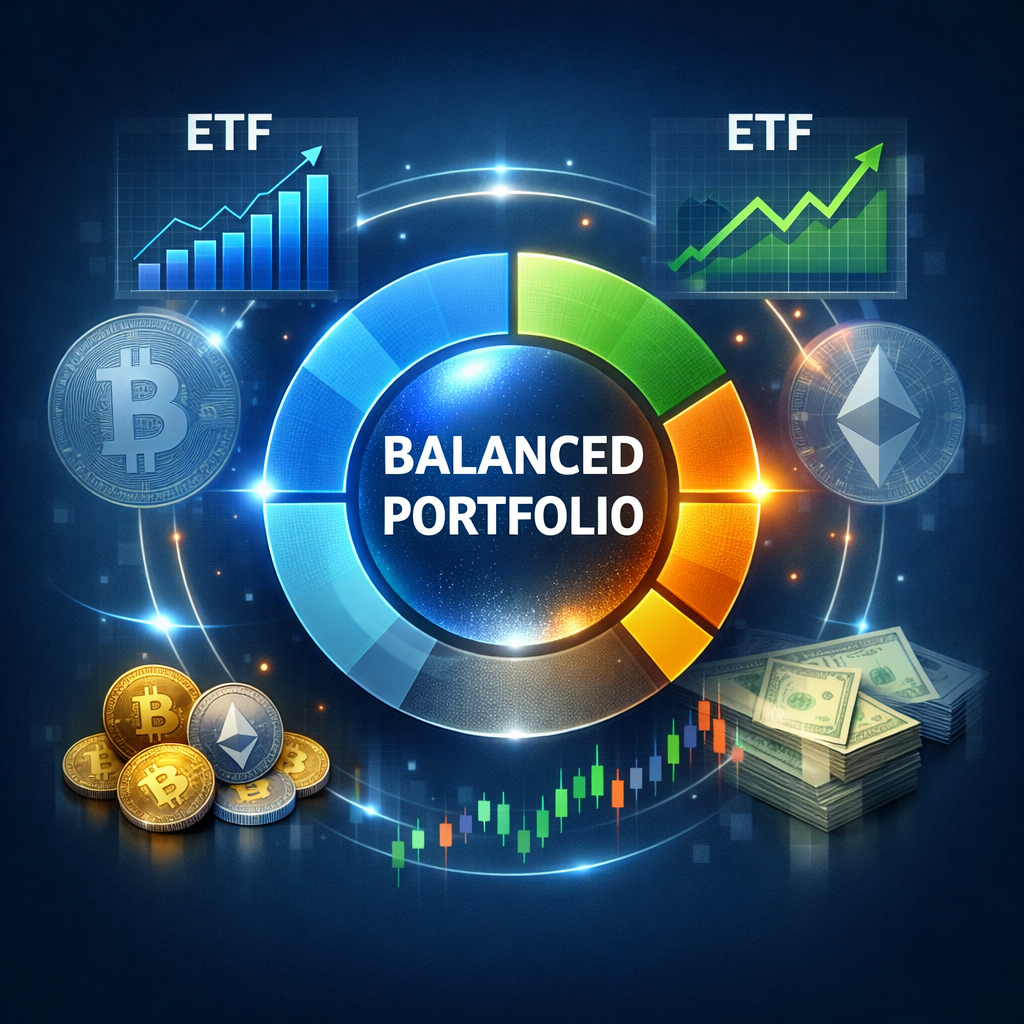
2. Balance Risk Using Core-Satellite Strategy
The Core-Satellite strategy involves building a solid ETF core for stability, then adding higher-risk investments as satellites. For instance:
- Core: Vanguard Total Stock Market ETF (VTI), iShares Core S&P 500 ETF (IVV)
- Satellite: ARK Innovation ETF (ARKK), iShares Bitcoin Trust (IBIT)
This strategy hedges against market downturns—like Bitcoin’s fourth straight red month—while giving room for high-growth plays.
3. Use Dollar-Cost Averaging (DCA)
Dollar-Cost Averaging means investing a fixed amount regularly, regardless of market price. This smooths out volatility and prevents emotional investing.
Example: Investing $500 monthly into the Schwab U.S. Broad Market ETF (SCHB) will buy more shares when prices fall and fewer when they rise—averaging your cost over time.
4. Take Advantage of Tax Efficiency
ETFs are more tax-efficient than mutual funds due to their structure. They rarely trigger capital gains during rebalancing. Also, consider tax-loss harvesting with underperforming ETFs in taxable accounts.
5. Watch Global Trends—Crypto and Beyond
Institutions are increasingly blending traditional finance with crypto. Binance’s conversion of its SAFU fund to Bitcoin shows rising confidence in digital assets. But remember: Crypto ETFs carry higher risk and should be part of your satellite—not your core.
Use platforms like Morningstar or ETF.com to compare fees, performance, and holdings.
6. Rebalance Quarterly—or Annually
Your ETF portfolio should reflect your risk tolerance and investment goals. Rebalancing ensures you don’t drift too far into risky territory (especially if one asset class outperforms).
Tip: Use a tool like Personal Capital or Betterment to automate this process.
7. Incorporate Thematic ETFs for Growth
ETFs focused on AI, clean energy, or blockchain can enhance returns. For example:
- Global X Robotics & AI ETF (BOTZ)
- iShares Global Clean Energy ETF (ICLN)
- Amplify Transformational Data Sharing ETF (BLOK)
These are ideal for investors bullish on tech and innovation—just be cautious of overexposure.
8. ETF Investing for Retirement
Looking long-term? ETFs are perfect for retirement accounts (IRA, 401(k)) due to:
- Low expense ratios
- Diversification
- Tax advantages when used in qualified accounts
Consider target-date ETFs like Vanguard Target Retirement 2050 Fund (VFIFX) that adjust risk over time.
9. Common Mistakes to Avoid
- Chasing performance: Don’t buy ETFs just because they had a strong month (e.g., HYPE’s jump to $33.84).
- Ignoring fees: Even 0.5% difference can erode gains over decades.
- Overconcentration: Too much sector or crypto exposure increases risk.
10. Final Thoughts: Build Wealth Steadily
The game isn’t about timing the next XRP whale move or Bitcoin’s bounce off an $81,000 floor. It’s about consistent, diversified investing.
ETFs offer simplicity, control, and flexibility—making them an essential tool for building long-term wealth in 2026 and beyond.
✅ Ready to Start Investing Smarter?
Open a free Vanguard account today and explore no-commission ETF trades with proven performance.
📘 Get Our Free ETF Investor Toolkit
Includes 3 model portfolios, rebalancing calendar, and top-performing funds of 2025 – Download your copy now


0 Comments