
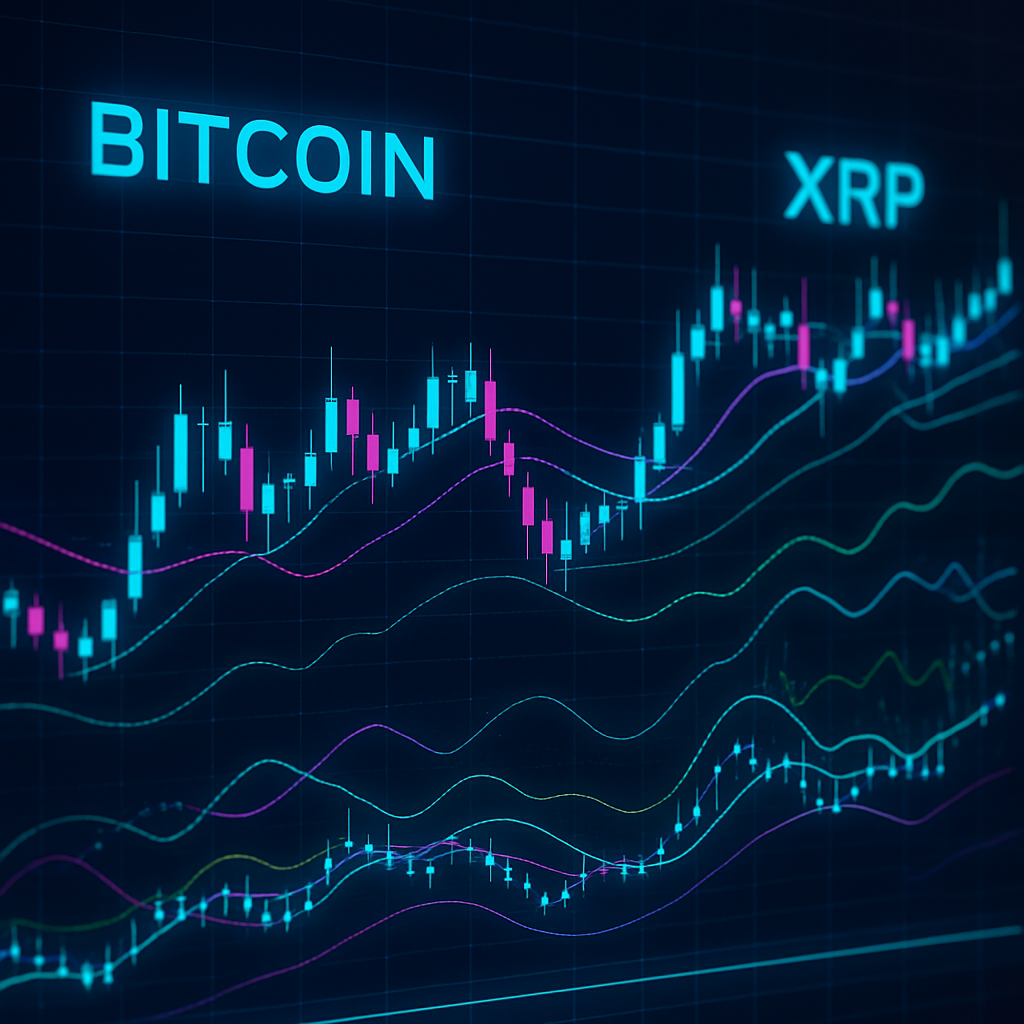

With Bitcoin nearing $88K and institutions like JPMorgan showing renewed interest in crypto, mastering technical analysis has never been more important. Learn how to decode the charts and protect your portfolio.
Why Technical Analysis Matters More Than Ever in 2026
From Coinbase entering prediction markets to Ghana legalizing crypto, the global digital asset landscape is evolving fast. Whether you’re trading Bitcoin at $88K or navigating altcoins like XRP, understanding technical analysis gives you the edge to time your entries and exits more effectively.
With the CFTC under new pro-crypto leadership and institutional players like JPMorgan entering crypto trading, technical analysis now holds as much weight as fundamentals. Let’s break down how to use this powerful trading tool effectively.
Understanding the Basics: What Is Technical Analysis?
Technical Analysis (TA) involves studying price charts and volume data to forecast future price movements. Unlike fundamental analysis, which considers news and project utility, TA focuses on historical market behavior.
- Price Patterns: Recognize formations like Head and Shoulders, Cups and Handles, and Triangles.
- Indicators: Use tools like RSI, MACD, and Bollinger Bands to assess momentum and volatility.
- Support & Resistance: Identify key zones where prices historically reverse direction.
How to Read a Crypto Chart: A Step-by-Step Guide
Even if you’re new to crypto, understanding a chart can drastically improve your success rate. Here’s how to approach it:
1. Choose the Right Timeframe
Scalpers use 1-minute to 15-minute charts, while swing traders prefer 4-hour to daily charts. For long-term strategies, use weekly or monthly views.
2. Identify the Trend
Use Moving Averages like the 50-day and 200-day to detect bullish or bearish momentum. If price is above both, the trend is bullish.
3. Spot Key Levels
Draw horizontal lines at recent highs and lows. These are your support and resistance zones—crucial for setting entries and stop-losses.
4. Watch Volume
Volume confirms trend strength. Rising prices on increasing volume = strength. Flat or falling volume = potential reversal.
5. Confirm with Indicators
- RSI (Relative Strength Index): Over 70 = overbought, under 30 = oversold.
- MACD: When the MACD line crosses above the signal line, it’s bullish.
- Bollinger Bands: Price touching upper band may suggest overbought conditions.
💡 Pro Tip: Don’t rely on a single indicator. Combine 2–3 for stronger confirmation.
3 Actionable Crypto Trading Strategies for 2026
1. Breakout Trading
With Bitcoin consolidating near $88K, breakout strategies are ideal. Look for price breaking above resistance with volume confirmation. Place a buy order slightly above the breakout point; set stop-loss just below resistance.
2. RSI + MACD Combo
Perfect for altcoins like XRP, which recently dropped 50% from its ATH. Use RSI to detect oversold levels, then MACD to confirm the reversal. Effective for bottom-fishing after corrections.
3. Fibonacci Retracement Levels
Use this to spot retracement levels after a significant move. Ideal for swing traders looking to enter around the 38.2%, 50%, or 61.8% levels. Combine with candlestick patterns for confirmation.
Risk Management: The Forgotten Hero
Even with perfect technical analysis, bad risk management can wipe you out. Here’s what you must do:
- Use Stop-Losses: Never trade without one. Period.
- Position Sizing: Risk only 1–2% of your portfolio per trade.
- Diversify: Don’t go all-in on a single asset—even if it’s Bitcoin.
🔥 Want hands-on chart analysis for beginner and intermediate traders? Join our free webinar this weekend and level up your skills. Reserve your spot now!
How Regulation and Scams Affect Your Strategy
Regulatory clarity is growing. The SEC’s crackdown on fake platforms and the CFTC’s new leadership improve trust. However, scams are still rampant. Always:
- Use regulated exchanges like Coinbase, especially as they expand into prediction markets.
- Avoid platforms promising guaranteed returns through AI or bots.
- Cross-check wallet and exchange security regularly.
Tools Every Technical Trader Should Use
- TradingView: Best for live charts and indicators.
- CoinMarketCap: For market data and volume analysis.
- Coinglass: To monitor funding rates and sentiment.
🛠 Tip: Set alerts on TradingView to stay informed about key breakout levels.
Final Thoughts: The Time to Learn Is Now
With institutional interest peaking and crypto gaining legal backing worldwide, there’s never been a better time to sharpen your trading skills through technical analysis. Whether you’re trading Bitcoin near $88K or buying the dip on altcoins like XRP, using TA can make or break your results.
🚀 Ready to go deeper? Download our free 40-page Technical Analysis Starter Guide and start making smarter trades today.
Stay informed, trade smart, and always manage your risks.



0 Comments